

AGAVE guadalajarana
A novel ingredient in the craft distillation scene
While Agave guadalajarana is primarily celebrated for its ornamental value, its potential use in distillation, particularly for artisanal spirit production, is an intriguing aspect that can be explored. Typically, agave species like the blue agave (Agave tequilana) are well-known for their use in producing tequila due to their high sugar content, which is crucial for fermentation. Here’s how you might present this information:
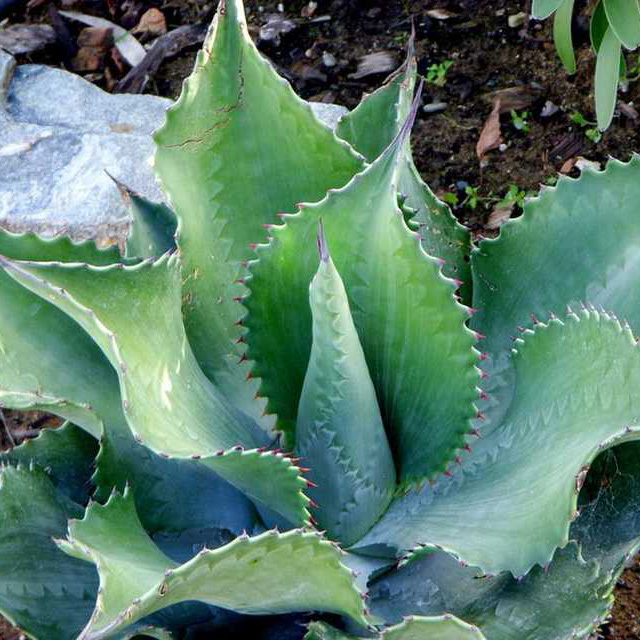
Agave guadalajarana, with its striking gray-blue foliage and robust growth characteristics, is also garnering interest among distillers for potential use in spirit production. This agave’s slow growth rate and adaptability to varying climatic conditions might contribute to a unique sugar composition, which could be explored for creating distinctive agave-based spirits.
As it is a less common variety for distillation, Agave guadalajarana offers distillers the opportunity to experiment with new flavors and textures in their spirit portfolios. The fermentation process of agave typically involves harvesting the piña, or core, which contains the plant’s sugars. These sugars are then converted into alcohol through the fermentation process. Given Agave guadalajarana’s hardiness and tolerance to cold and heat, it may produce a uniquely robust piña that could introduce a new profile to the artisanal spirits market.
Distillers interested in utilizing Agave guadalajarana should consider the plant’s growth and sugar development cycles and how these might differ from more traditional agave species used in distillation. Experimentation and small-batch testing could pave the way for new types of sustainable and locally-sourced spirits, potentially positioning Agave guadalajarana as a novel ingredient in the craft distillation scene.
1 review for AGAVE guadalajarana
Related Products
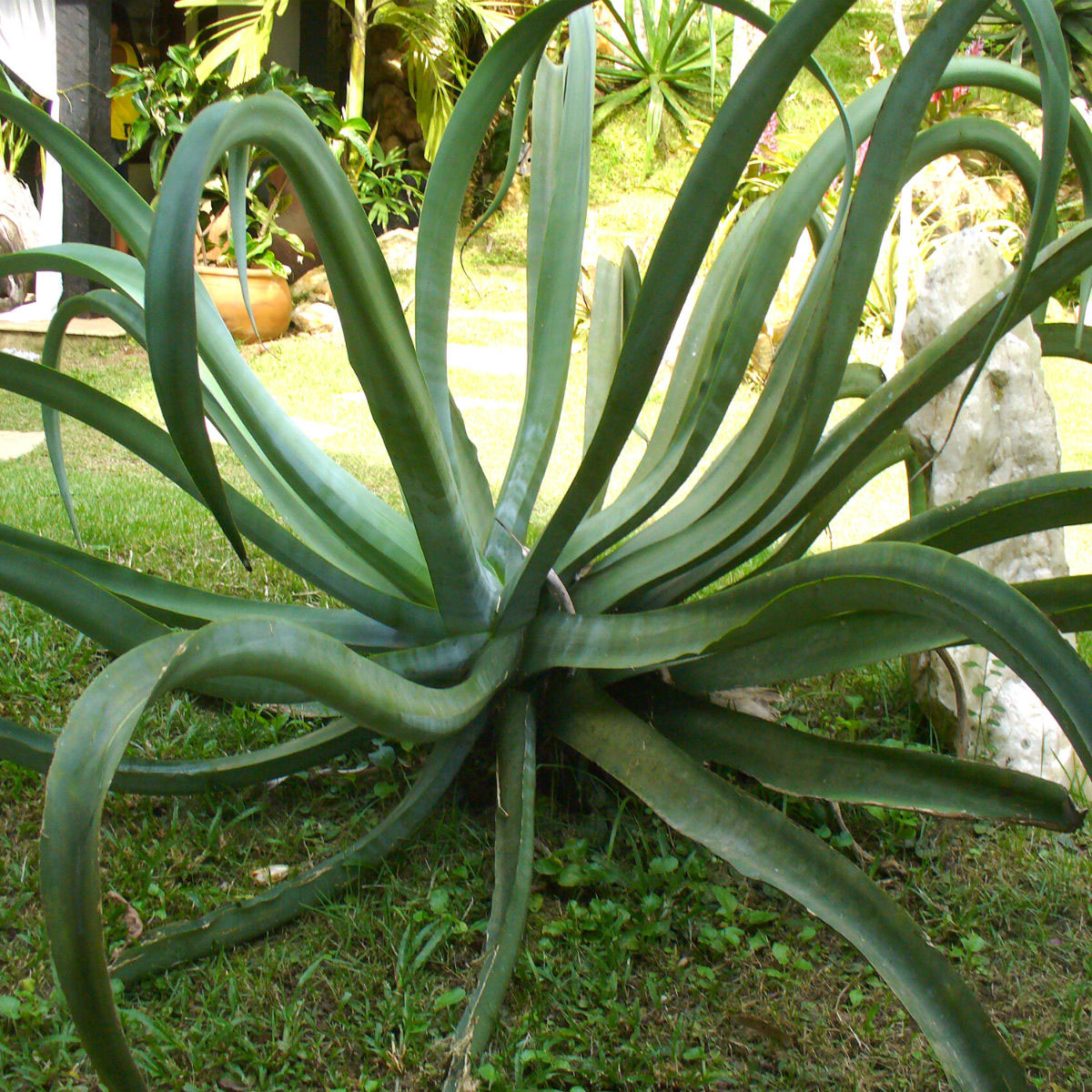
Fast growing, sometimes flowering in as little as four years after planting.

danyduchaine –
Etiam sit amet orci eget eros faucibus tincidunt. Vestibulum eu odio. Sed mollis, eros et ultrices tempus, mauris ipsum aliquam libero, non adipiscing dolor urna a orci.